Water Resilience does not start within the Company, it starts in the Basin.

For years, the corporate conversation around water focused on improving efficiency: reducing consumption, optimizing processes, and complying with regulations. Even though these efforts remain essential, today they fall short against a backdrop shaped by interconnected crises: climate change, ecosystem degradation, increasing pressure on water resources, and—crucially, though rarely valued as a key pillar of action—the social dimension of water, or the "water culture," as the Water Advisory Council (Consejo Consultivo del Agua) often calls it.
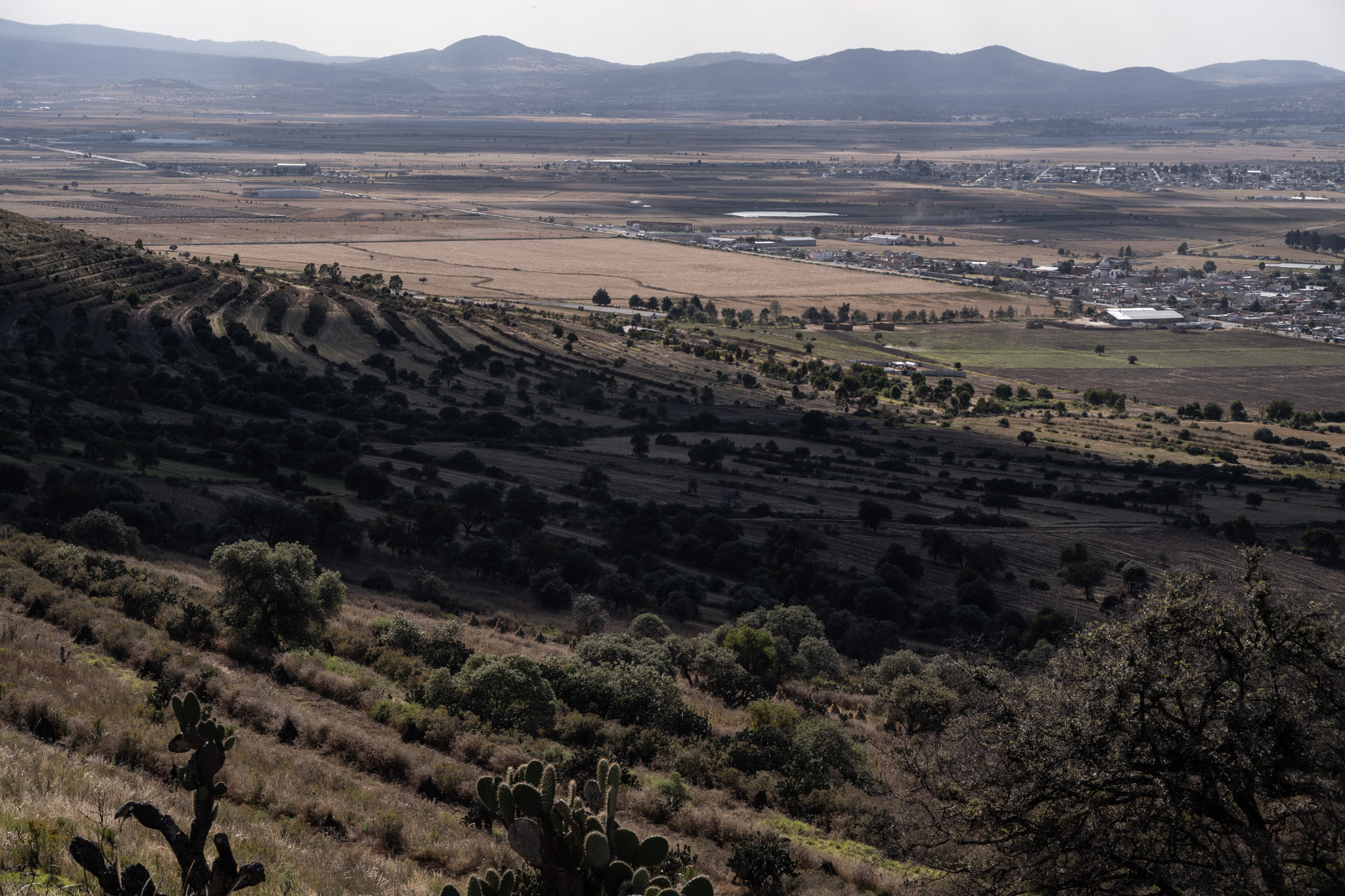
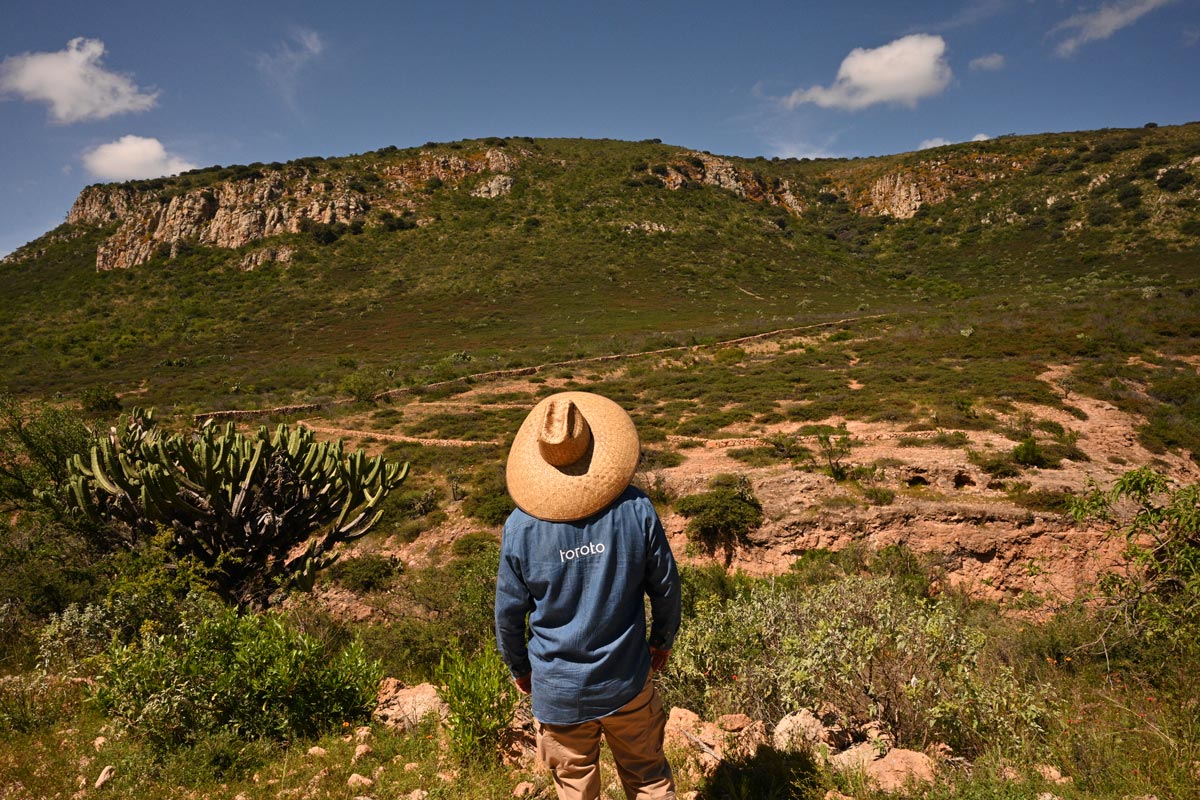
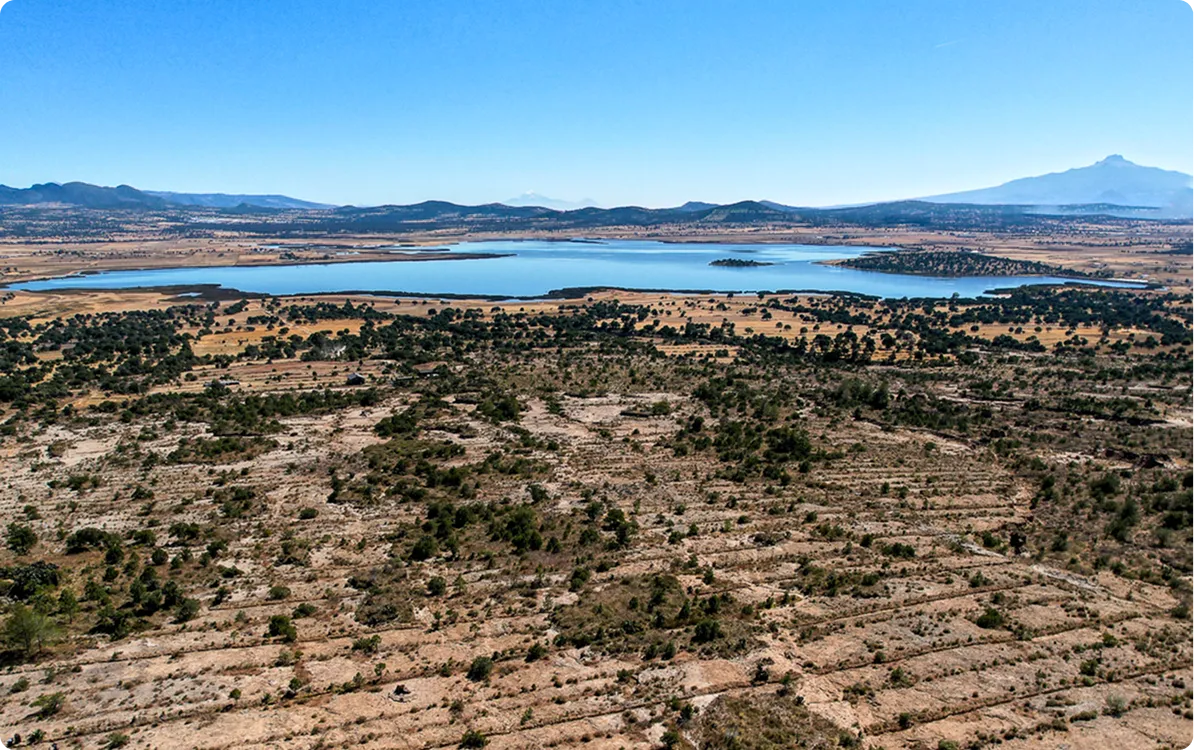
When discussing water resilience, we must stop viewing the concept solely through a company's operational lens, as it begins much earlier. It starts, perhaps, in a distant territory: along the water divides formed by a region's mountains and hills, within the ecosystems that retain moisture and promote infiltration, and among the local communities that inhabit these areas and thus hold a relationship with that water. If we were to synthesize all of this into a single concept, it boils down to a landscape—specifically, a basin. When speaking of water resilience, we must start, above all, at the basin level.
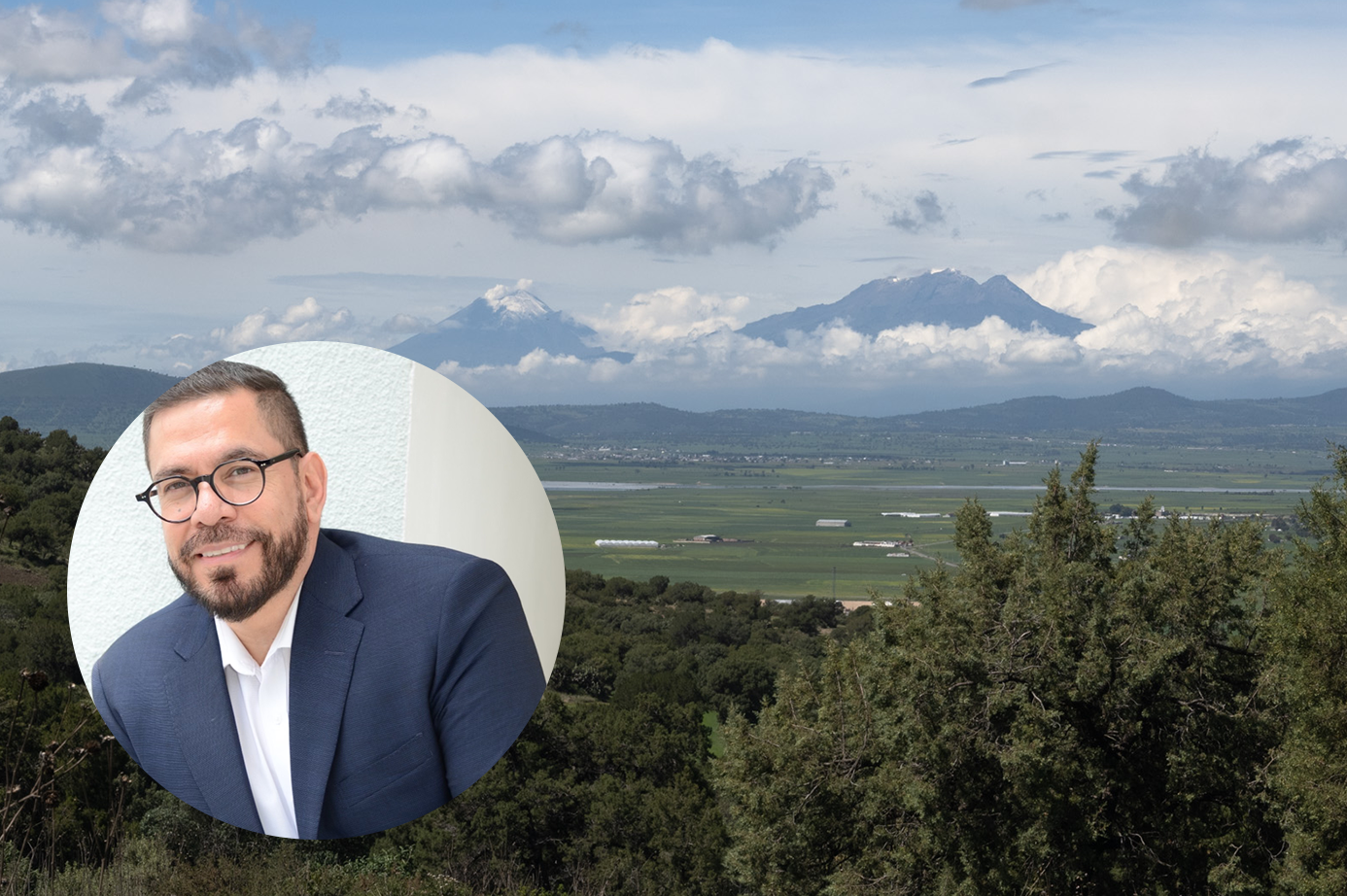
This is one of the main takeaways shared by Jorge Fuentes Martínez, Project Director at the Water Advisory Council (Consejo Consultivo del Agua), an organization that for more than two decades has brought together companies, academia, civil society organizations, and experts to foster dialogue and strengthen water governance in Mexico.
Interestingly, Jorge did not enter the water sector through engineering or hydrology, but through journalism and communications. After collaborating on environmental initiatives in Mexico City, he found in the Water Advisory Council a space to fulfill a very specific mission: translating highly technical topics so they could be turned into strategic decisions.
Translating complex technical issues into words that everyone can understand—and thereby get involved in—is perhaps one of the most urgent tasks at a time when water security is no longer an issue reserved exclusively for experts, but a priority for governments, businesses, and society as a whole.
For many organizations, water management is still primarily associated with consumption metrics or regulatory compliance. However, that perspective leaves out an essential part of the equation.
The basin.
That implies knowing far more than just the volume of available water. It means understanding ecosystem health, soil health, infiltration processes, local community conditions, and the dynamics that determine resource availability in the long term.
In other words, water resilience is not limited to safeguarding a company's operations against a drought. It consists of strengthening the natural and social systems that make those operations possible in the first place.
This perspective is particularly relevant in a context where climate risks are already generating tangible economic impacts. More frequent heatwaves, reduced river flows, altered hydrological cycles, and extreme weather events affect supply chains, increase operating costs, and reshape the baseline conditions under which multiple industries operate.
Against this backdrop, managing water solely within factory fence lines is no longer enough. Nature is also infrastructure, and speaking of resilience means recognizing that ecosystems perform vital functions to guarantee water availability.
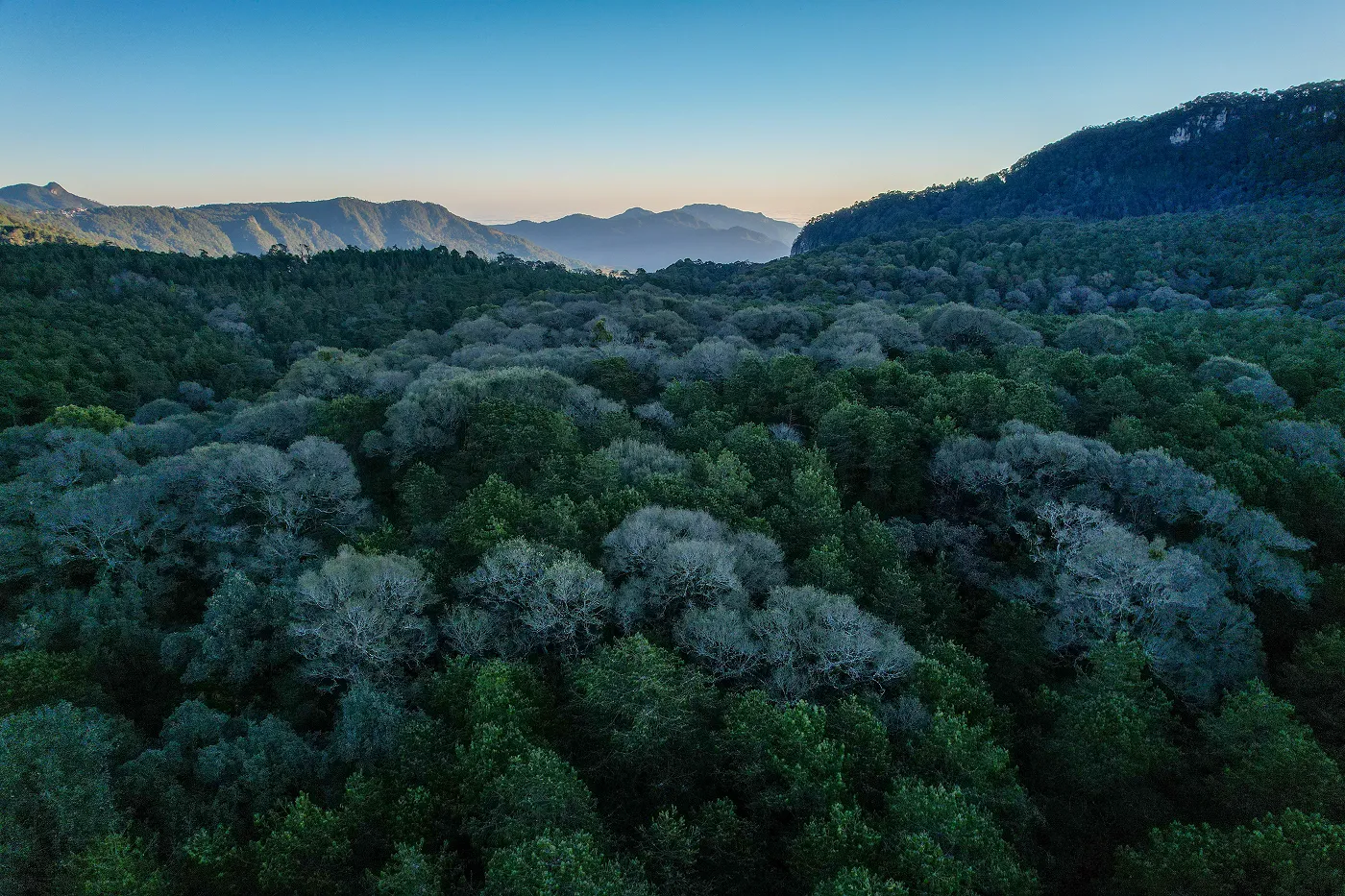
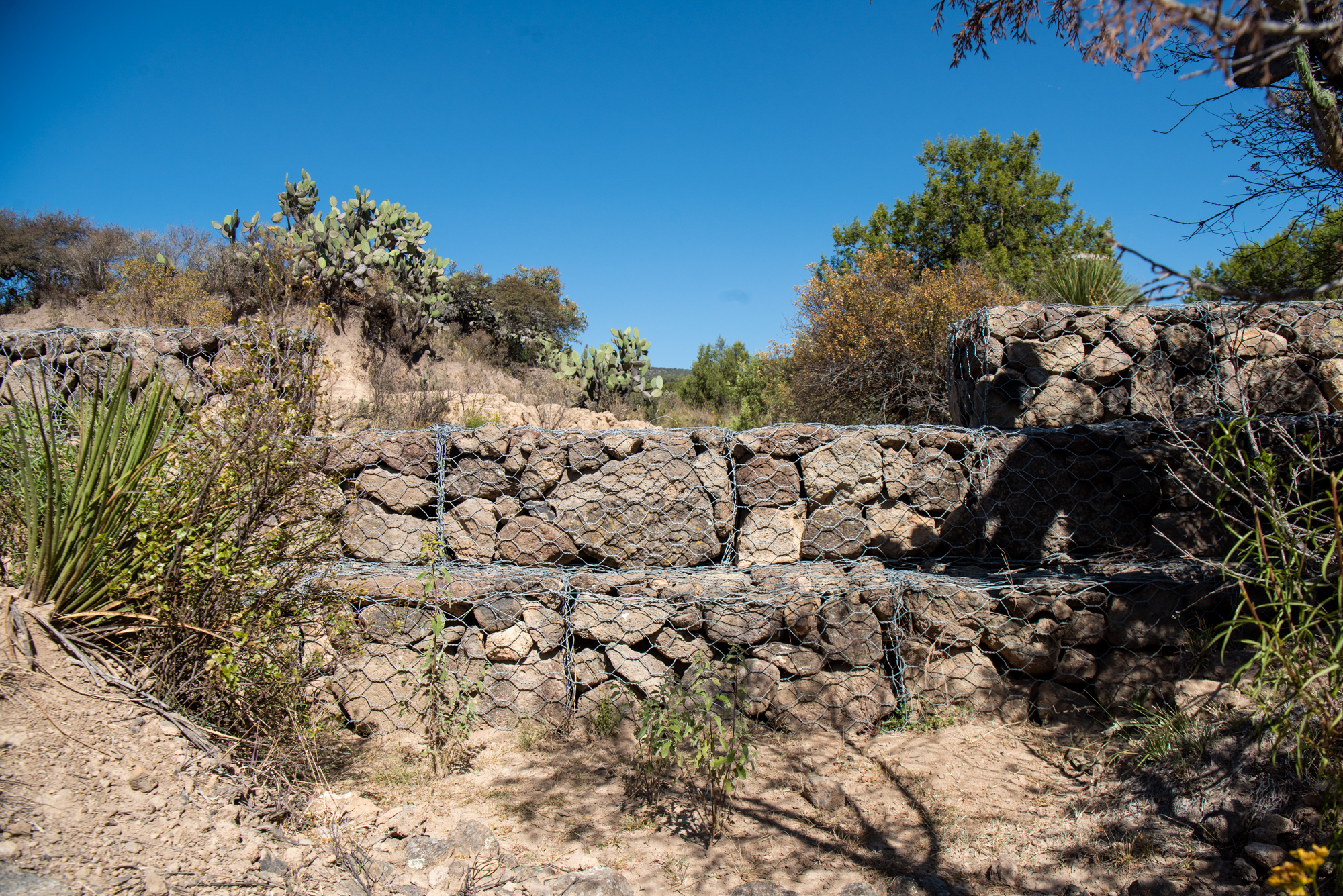
Forests, soils, wetlands, and recharge zones are not merely scenic elements of the landscape: they constitute natural infrastructure that regulates flows, enhances infiltration, mitigates erosion, and helps maintain the hydrological balance of basins. For this reason, Jorge stresses that corporate strategies must look beyond operational efficiency to integrate restoration, conservation, and collaborative actions with the communities inhabiting those territories.
Nature-based solutions (NbS) cease to be secondary initiatives and become strategic investments that build resilience both for the companies themselves and for the regions where they operate.
However, the biggest obstacle is not a lack of resources. This is one of the most compelling insights from the interview, challenging a widely held assumption. The main challenge isn't always securing more funding; often, the core issue is a lack of coordination.
According to Jorge, many companies are eager to invest in restoration or conservation projects, while public authorities possess technical data on priority areas for aquifer recharge or ecosystem conservation. Yet, these efforts rarely converge. Implementing organizations carry out valuable projects, companies drive their own initiatives, and public institutions set territorial prioritiesbut these efforts often move in parallel, lacking sufficient mechanisms to align them.
The result is a missed opportunity to generate impact at scale. Therefore, Jorge highlights the need to build stronger coordination mechanisms, map existing initiatives, and create spaces where diverse stakeholders can share information, priorities, and capabilities. In a crisis as complex as water, collaboration ceases to be merely desirable and becomes an indispensable prerequisite.
Transparency was another central element of our conversation. For years, private sector involvement in environmental issues has faced skepticism and distrust. At times, companies refrain from communicating their initiatives for fear of being accused of greenwashing; at others, the lack of information prevents the recognition of projects that truly deliver benefits to the territory.
For Jorge, this gap can only be bridged through open, auditable, and transparent processes. When initiatives are visible, their outcomes can be evaluated, investments can be coordinated, and additional partners can join with greater confidence. Transparency, therefore, does not merely strengthen accountabilityit creates the necessary conditions to build long-term partnerships.
Toward the end of our conversation, Jorge shares a reflection that captures the essence of his vision. Rather than producing better reports, companies should ask themselves what impact they are creating within the basins where they operate.
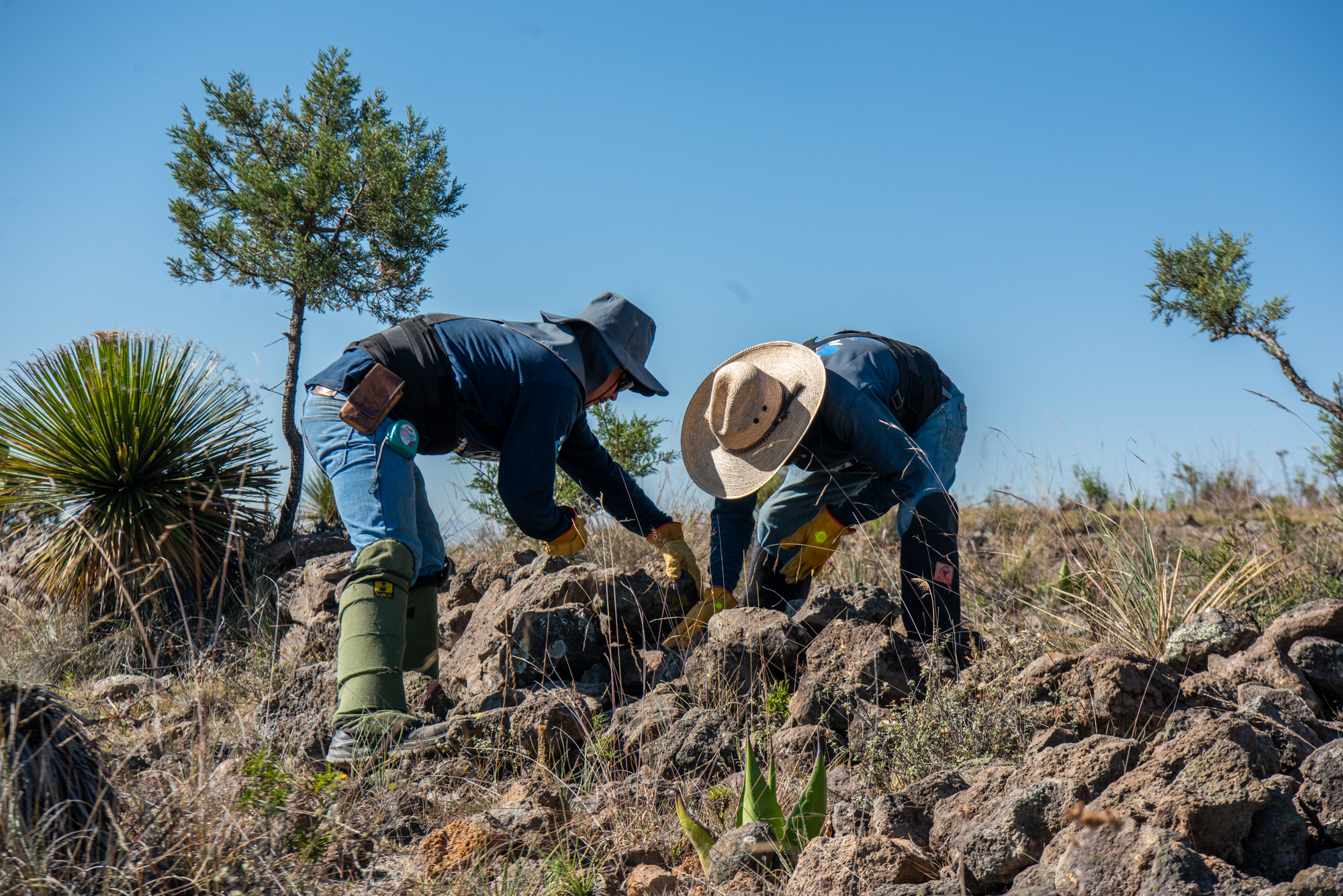
Indicators are important, but they only gain meaning when they reflect transformations on the ground: restored ecosystems, empowered communities, and basins with greater capacity to withstand an increasingly uncertain climate.
His expectation for the coming years is for the conversation to shift away from diagnostics and focus instead on measurable outcomes, evidence of effectiveness, and solutions that demonstrate long-term impact.
Water resilience is not merely about preparing for the next crisis; it is about building, starting today, the conditions that allow companies, ecosystems, and communities to thrive together in a shared future. Because in the end, it does not start within the company.
To Jorge Fuentes, for sharing his vision, openness, and availability, and to Luis Ortega for providing the space and making this great conversation possible.
Sandra is a biologist who remains in constant awe of the living world. Deeply moved to be writing for Toroto, she is currently leading an ecological restoration project on the outskirts of Lake Texcoco, among birds, sunlight, and wetlands.

Explore reflections, research and field learning from our work in ecosystem restoration.