Nature Finds a Way

There is a deeply modern—and profoundly human—notion that every degraded ecosystem must be re-engineered, landscaped, and rebuilt from scratch. As if nature, once altered, had permanently lost its intrinsic capacity to reorganize itself. As if the only way to restore a forest were through aggressive intervention: planting thousands of saplings, micromanaging every variable, and artificially rushing processes that life mastered without us over millions of years.
Yet contemporary ecological science is beginning to remind us of a truth that is both humbling and hopeful: more often than not, nature knows precisely what to do.
A landmark study published in Nature in 2026, titled "Biodiversity resilience in a tropical rainforest" (Metz et al., 2026), provides extraordinary empirical evidence of the natural recovery capacity of secondary tropical forests. Analyzing a chronosequence across the Ecuadorian Chocó, the researchers discovered that secondary forests recovered over 90% of their biological abundance and diversity, as well as approximately 75% of the species composition of old-growth forests, in just 30 years (Metz et al., 2026).
It is difficult to overstate the profound implications of these findings.
For decades, mainstream climate discourse and ecological restoration have been dominated by an emergency mindset: plant fast, offset fast, sequester carbon fast. But ecosystems do not operate on corporate quarters, financial cycles, or even human timelines. They operate on ecological time. Tropical forests, in particular, hold an extraordinary biological memory.
What Metz and colleagues demonstrate is that when baseline ecological conditions are met—moderately connected landscapes, nearby old-growth remnants, active seed dispersers, and reduced human pressure—tropical systems deploy a degree of ecological resilience that far exceeds prior scientific estimates. This does not imply, of course, that all ecological restoration should be passive. Drawing that conclusion would be both simplistic and reckless.
Active restoration remains indispensable across severely degraded, fragmented, or ecologically collapsed landscapes. There are territories where seed banks have been completely depleted, where soils have suffered irreversible compaction and erosion, where apex dispersers have been extirpated, or where hydrological dynamics have been fundamentally broken. In these contexts, simply waiting is not enough.
However, the inverse assumption—that degraded ecosystems can only heal through continuous, high-input human intervention—is equally flawed.
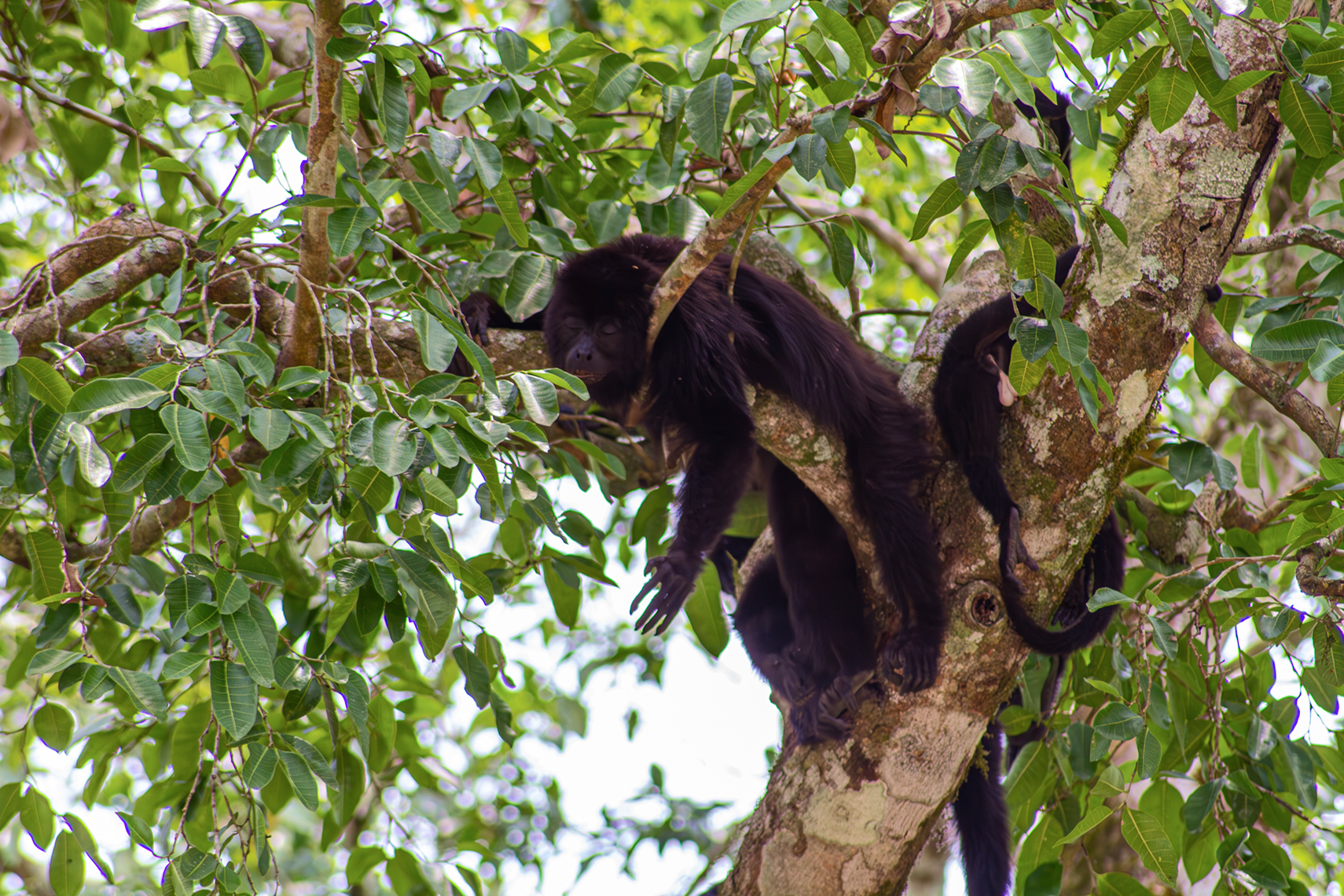
In fact, one of the study’s most compelling takeaways is that critical functional groups, particularly seed dispersers and pollinators such as bats, birds, and native bees, exhibited remarkable resilience and rapid return rates. According to the authors, these organisms are far from passive passengers in forest succession; they are its primary ecological drivers.

Forest restoration does not begin when the last seedling is planted. It begins the moment ecological processes are reignited. And those mechanisms often reactivate far earlier than we anticipate.
Bats disperse pioneer seeds across forest fragments. Frugivorous birds bridge habitat gaps across the wider landscape. Native bees sustain floral reproduction even in early successional stages. What emerges is a distributed ecosystem intelligence: an intricate web of biological interactions that spontaneously begins reorganizing the moment anthropogenic pressure subsides. Put simply: nature does not wait to be restored. It begins healing itself the second it is given room to breathe.
In a culture obsessed with immediate outcomes and quarterly milestones, committing to protect a forest for 30, 50, or 100 years might look like inaction. Ecologically speaking, however, that timeframe changes everything.
One of the study's starkest warnings is that the vast majority of the world’s secondary tropical forests never reach their full ecological potential because they are cleared prematurely. The authors highlight recent data revealing that most regenerating tropical forests are cut down before they even reach ten years of age.
In other words, we persistently interrupt ecological succession before it matures.
From a climate perspective, this dynamic has massive implications: the sustained conservation of secondary forests does not just enable progressive biodiversity recovery; it drives substantial carbon sequestration, stabilizes local hydrology, buffers microclimate temperatures, and fosters complex ecological processes that cannot be accelerated on short cycles.
Carbon storage in regenerating tropical forests is directly linked to forest age. Foundational studies led by Lourens Poorter and Robin Chazdon had already demonstrated that Neotropical secondary forests can rapidly accumulate biomass during the first few decades of regeneration (Poorter et al., 2016), recovering multiple ecological dimensions including structure, composition, and ecosystem functioning (Poorter et al., 2021). The 2026 Nature paper expands this framework by evaluating entire ecological communities rather than focusing exclusively on carbon stocks or tree basal area.
This perspective is particularly relevant for carbon markets and environmental project development.
For years, forest carbon projects were evaluated almost entirely by metrics of metric tons of CO₂ equivalent. Yet forests are not mere carbon warehouses; they are complex biological infrastructures. A genuinely resilient forest is not simply one that sequesters carbon rapidly; it is one with ecological cycles robust enough to withstand future disturbances. A simplified monoculture or poorly designed plantation—even if it temporarily accumulates biomass—is acutely vulnerable to wildfire, prolonged drought, pests, and functional collapse. Conversely, a forest with recovered ecological processes, high functional diversity, and complex trophic webs is far more likely to maintain its permanence amid escalating climate disruptions.
Biodiversity, in this sense, is not merely a carbon "co-benefit" (Watson et al., 2018; Gibson et al., 2011). It is an emergent property. It is the living infrastructure that makes long-term carbon permanence possible.
One of the hardest truths to integrate into environmental management is that minimizing intervention can, in the right settings, yield superior ecological outcomes. Passive restoration—or natural regeneration—is often mischaracterized as passivity, when in fact it represents a far more sophisticated conservation strategy: deliberately designing the conditions that allow ecological processes to resume (Chazdon et al., 2025).
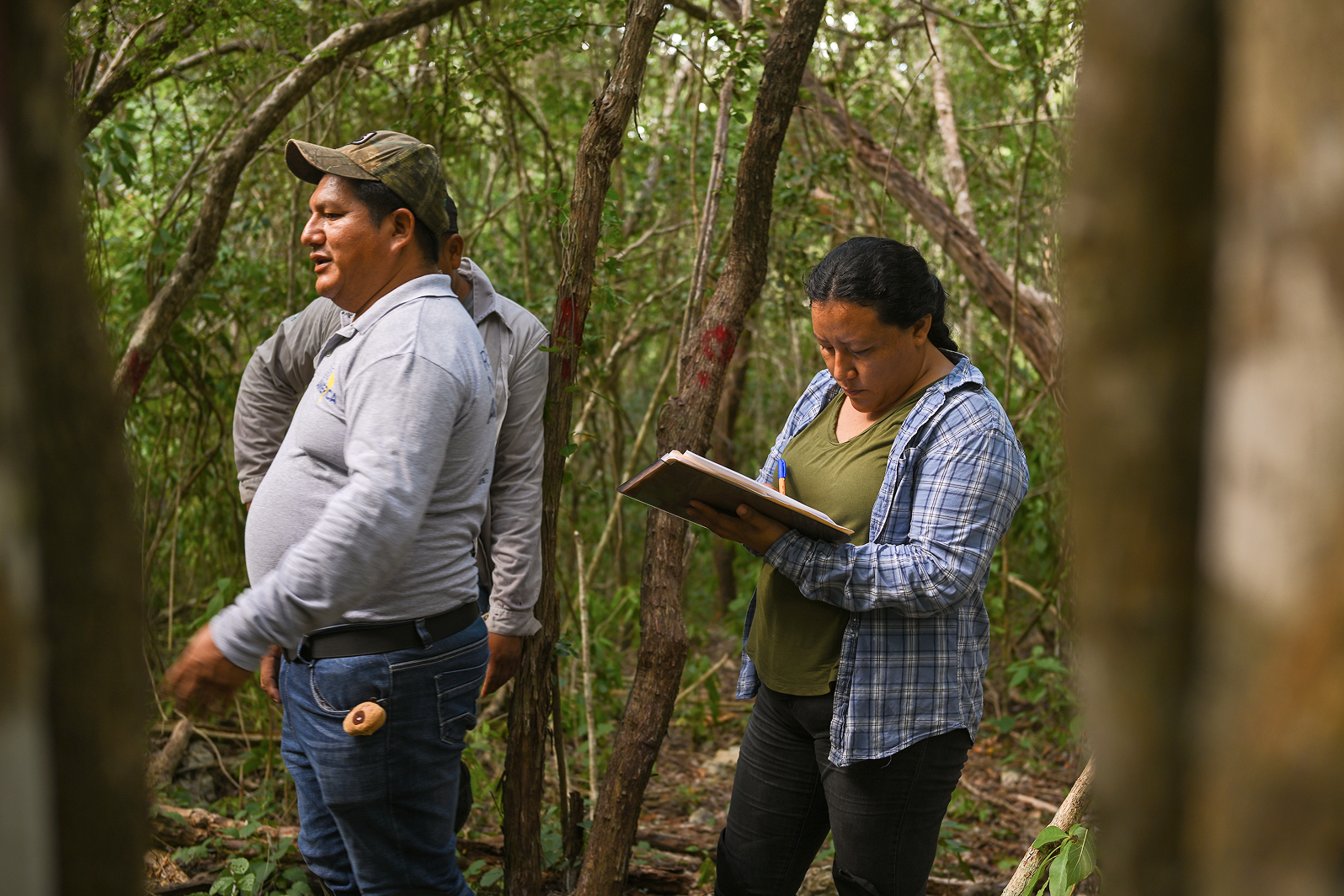
This requires rigorous baseline science, continuous monitoring, territorial governance, legal land tenure security, community consensus, and sustained financing. Letting a forest regenerate naturally is not abandonment; it is the deliberate safeguarding of ecological time.
Well-structured carbon and nature-based solutions can serve as exceptionally powerful financial mechanisms here. Not just by generating incentives to halt deforestation or by funding active plantings, but by underwriting something exceedingly rare in the modern market: true ecological permanence.
Ecological permanence is chronically undervalued.
A project that secures a forested landscape across decades enables invisible yet vital ecosystem mechanisms: pedogenesis and soil microbiome recovery, genetic replenishment, the re-assembly of mutualistic networks, the return of sensitive wildlife, the progressive layering of complex biomass, and watershed stabilization.
The research by Metz et al. underscores that this recovery is neither instant nor uniform. Certain biological communities rebound rapidly, while others require centuries. Mature canopy trees, for instance, exhibit much longer recovery horizons due to conservative life-history strategies and slow growth rates. But the overarching trajectory is undeniable: recovery happens, and it takes place even following intensive agricultural land use—a reality shared between the Ecuadorian Chocó and the subtropical regions of Mexico.
These findings invite a strategic rethinking of conservation finance. If science confirms that tropical ecosystems possess vast regenerative capacity when ecological connectivity and protection are sustained (Chazdon & Guariguata, 2016; Williams et al., 2024), conserving secondary forests ceases to be a stopgap or second-tier measure. It becomes a premier high-integrity ecological investment.
There is a persistent habit of framing active and passive restoration as opposing methodologies. Real-world landscapes rarely fit into neat dichotomies. High-impact ecological restoration is inherently hybrid.
Certain territories unconditionally demand active interventions: stabilizing eroded headwaters, eradicating invasive species, reintroducing key seed-dispersing fauna, rebuilding structural corridors, or planting framework native tree species. In other areas, the highest-leverage strategy is to lift anthropogenic pressure, exclude external disturbances, and allow existing natural regeneration mechanisms to perform the work.
The primary challenge lies in developing the ecological literacy required to assess which methodology delivers the highest integrity in a given territory.
In many contexts, natural regeneration achieves comparable or superior ecological recovery at a fraction of the capital expenditure required by active planting. As early as 2017, a comprehensive meta-analysis in Science Advances demonstrated that natural regeneration routinely outperformed active restoration across multiple ecological metrics in tropical forests (Crouzeilles et al., 2017).
This does not mean planting trees is obsolete. It means that deploying high-cost tree planting in sites where the forest can regenerate on its own is an inefficient allocation of capital—especially within a global climate finance landscape where capital remains deeply constrained relative to the scale of ecological crises.
There is something transformative about recognizing that a forest is not a static picture. It is not an unmoving collection of trees. It is a continuous, dynamic process of biological reorganization.
Tropical forests have adapted to disturbances over millions of years: wildfires, hurricane landfalls, floods, landslides, and shifting paleoclimates. Ecological succession is not an anomaly; it is the core operating system of a forest. What has changed today is the unprecedented speed and geographical footprint of human destruction.
This is why the core breakthrough of the Metz et al. study is not merely how quickly recovery can occur, but the confirmation that many tropical ecosystems still retain the functional ecological memory necessary to reorganize following severe land-use stress. Provided that seed dispersers, pollinators, landscape corridors, forest patches, and sufficient recovery timelines exist, natural regeneration operates at scales far more efficient than historically presumed.
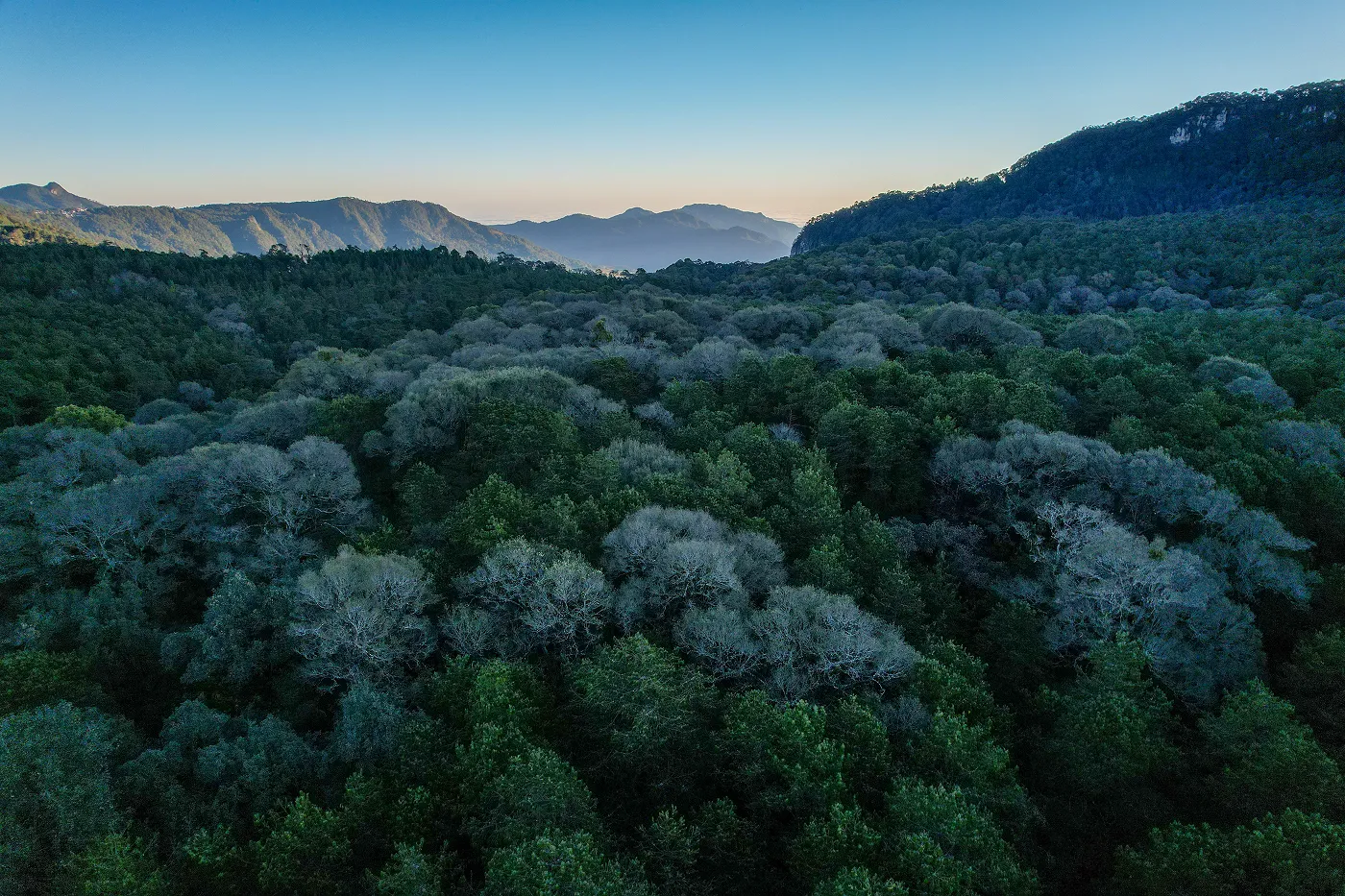
This carries direct relevance for Mexico’s subtropical forest regions. Many landscapes hosting carbon and conservation initiatives today—tropical dry forests, cloud forests, and agroforestry mosaics—have coexisted for decades with historical agricultural frontiers: extensive cattle grazing, shifting cultivation, selective logging, and recurring fires. Despite this history, a significant portion of these ecosystems still preserve the ecological components necessary for spontaneous recovery. The Nature study forces an essential realization: in countless instances, the limiting bottleneck for ecosystem restoration is not an absence of biological capacity, but an absence of temporal and territorial permanence.
This is where nature-based carbon projects transcend basic emissions accounting. Their greatest leverage does not lie solely in calculating sequestered metric tons, but in engineering durable territorial stability so ecological processes can unfold uninterrupted. Underwriting permanence—preventing land-use change, lifting extraction pressures, reinforcing local governance, and preserving structural connectivity—is just as critical as active reforestation works. Ecologically, granting a forest the space and time to age is one of the most powerful climate interventions available.
Mexico occupies an exceptional vantage point to lead this paradigm: a dominant portion of its forested land is managed under communal and ejido land tenure systems. In a global landscape where tropical biomes face rapid land speculation and severe fragmentation, collective territorial governance represents an extraordinary competitive advantage for sustained permanence. Sustaining community agreements across multi-decade horizons does not merely deliver social equity; it directly anchors climate resilience, biodiversity integrity, and the long-term durability of stored carbon.
Perhaps the ultimate lesson from Metz and colleagues is that genuine ecological restoration should not be evaluated simply by counting how many saplings were put in the ground, but by our collective capacity to maintain stable ecological conditions long enough for living complexity to return. That requires far fewer superficial fixes—and far more long-term commitment.
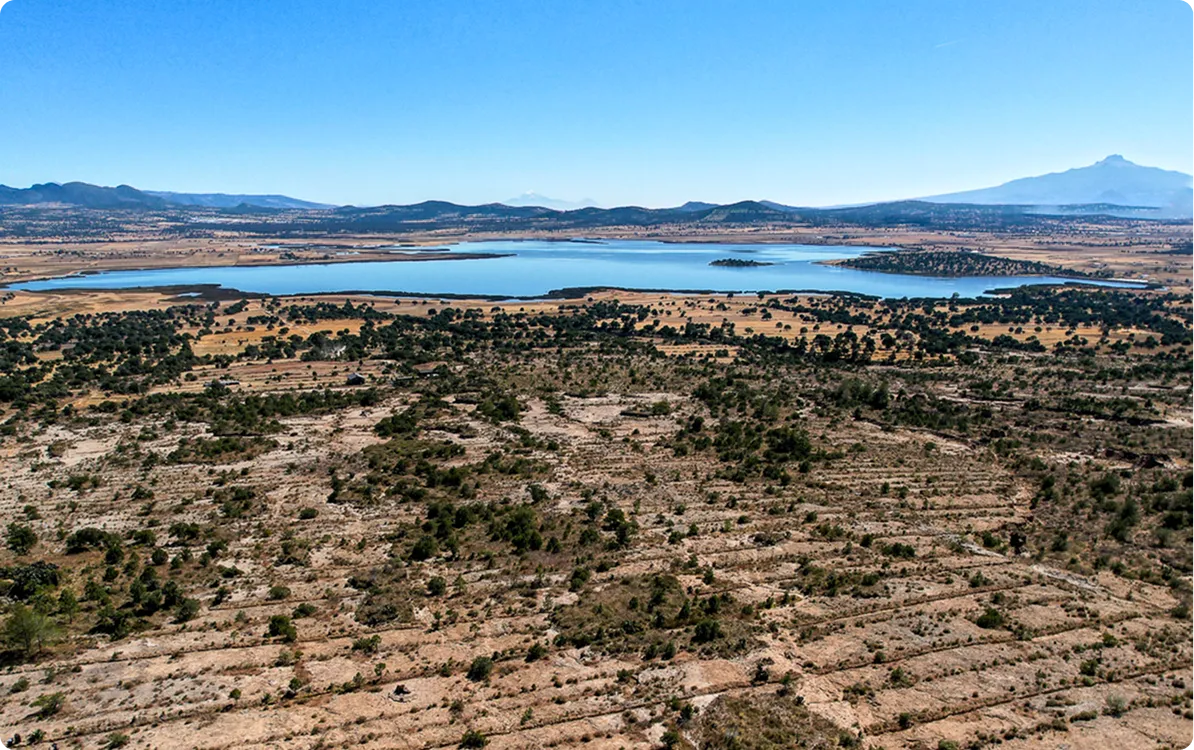
Sandra is a biologist who remains in constant awe of the living world. Deeply moved to be writing again for Toroto, she is currently leading an ecological restoration project on the outskirts of Lake Texcoco, among birds, sunlight, and wetlands.

Explore reflections, research and field learning from our work in ecosystem restoration.