Laja River Basin
Water
Querétaro, México
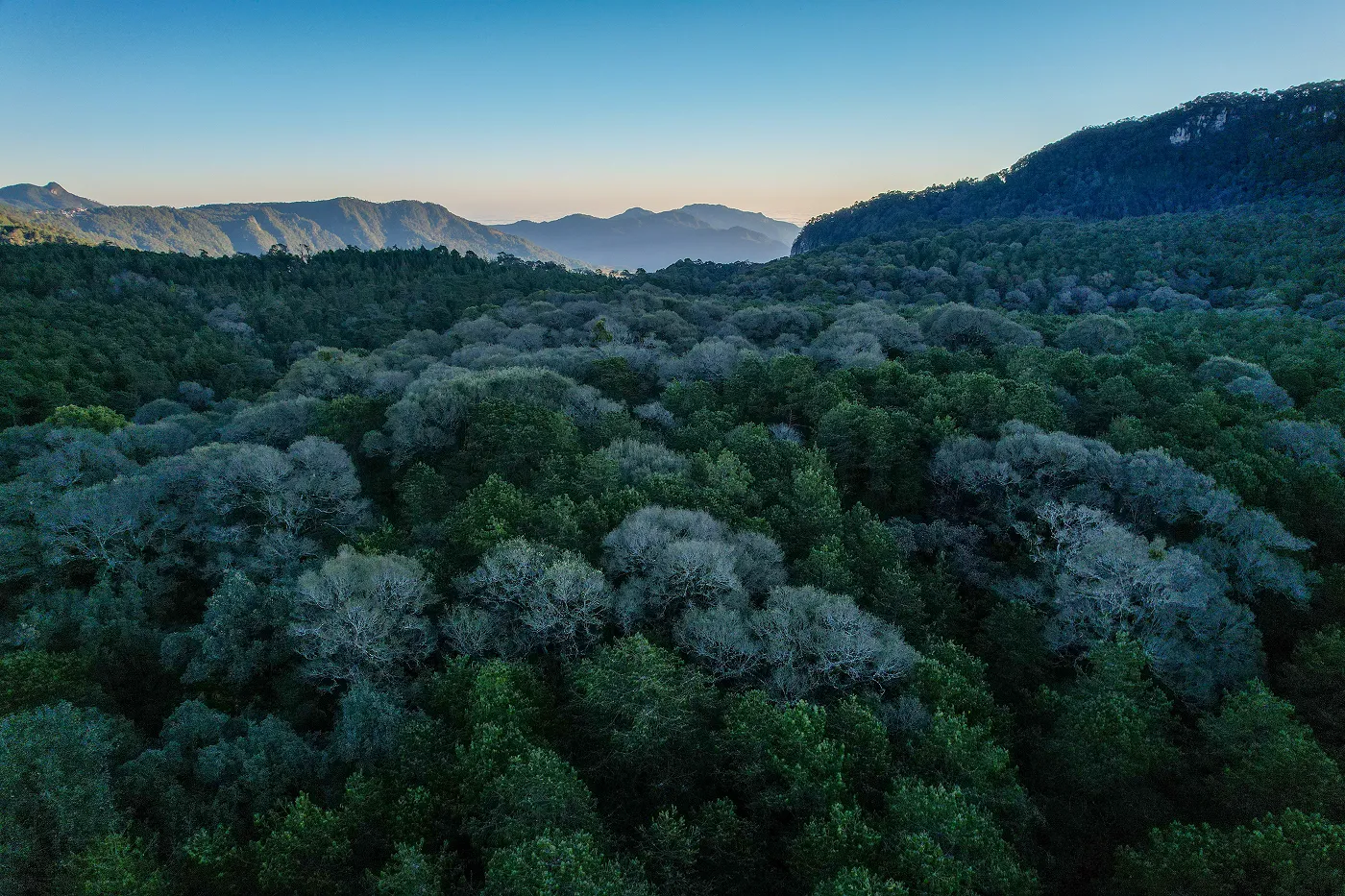
This project promotes nature-based solutions as measures for more sustainable water management in the basin, where pressure on aquifers, droughts, and loss of soil productivity affect various water users. Through ecological restoration processes and community participation, the project strengthens natural resource management and promotes water recharge.
85
K
cubic meters
of volumetric water benefits
180
hectares
positively impacted by nature-based solutions
+
6.5
K
plants reforested
of 5 native species
3
ejidos y comunidades
and communities involved
(01)
The context
Restoring regional water balance
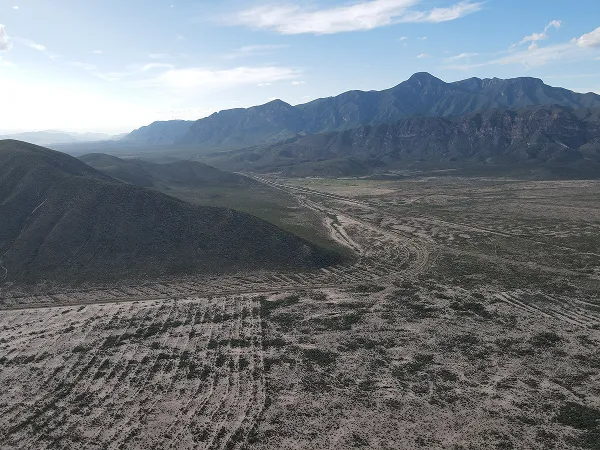
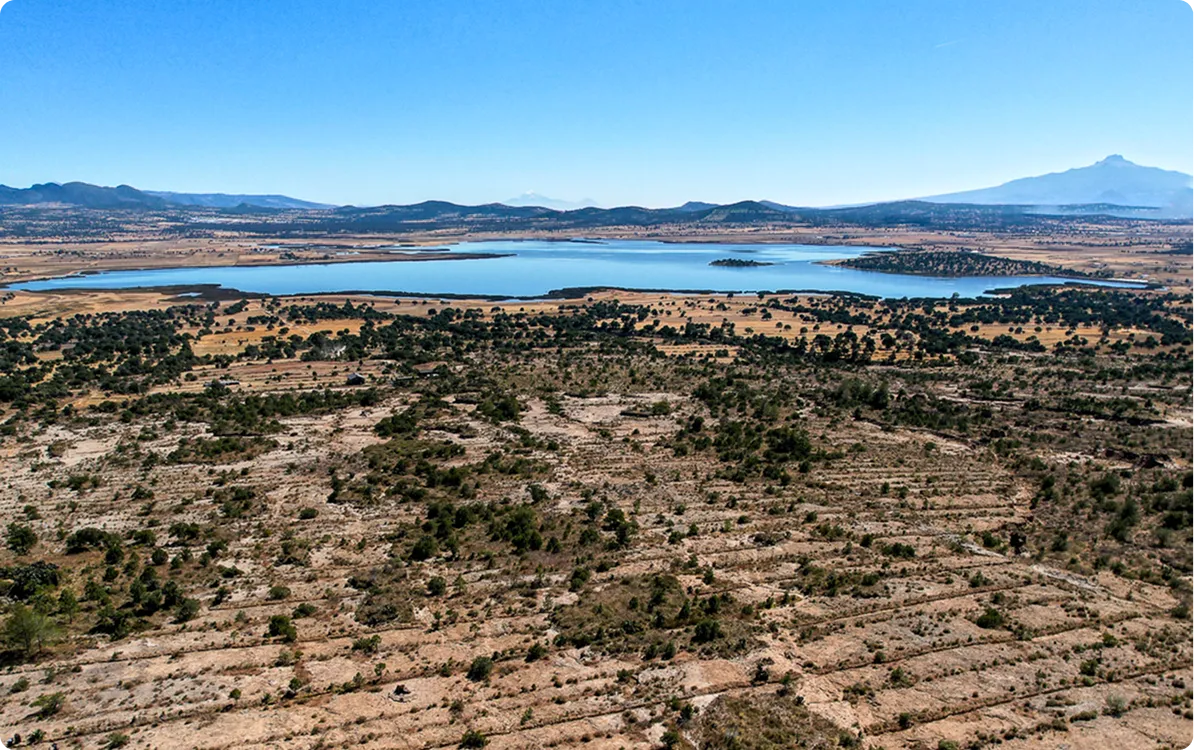
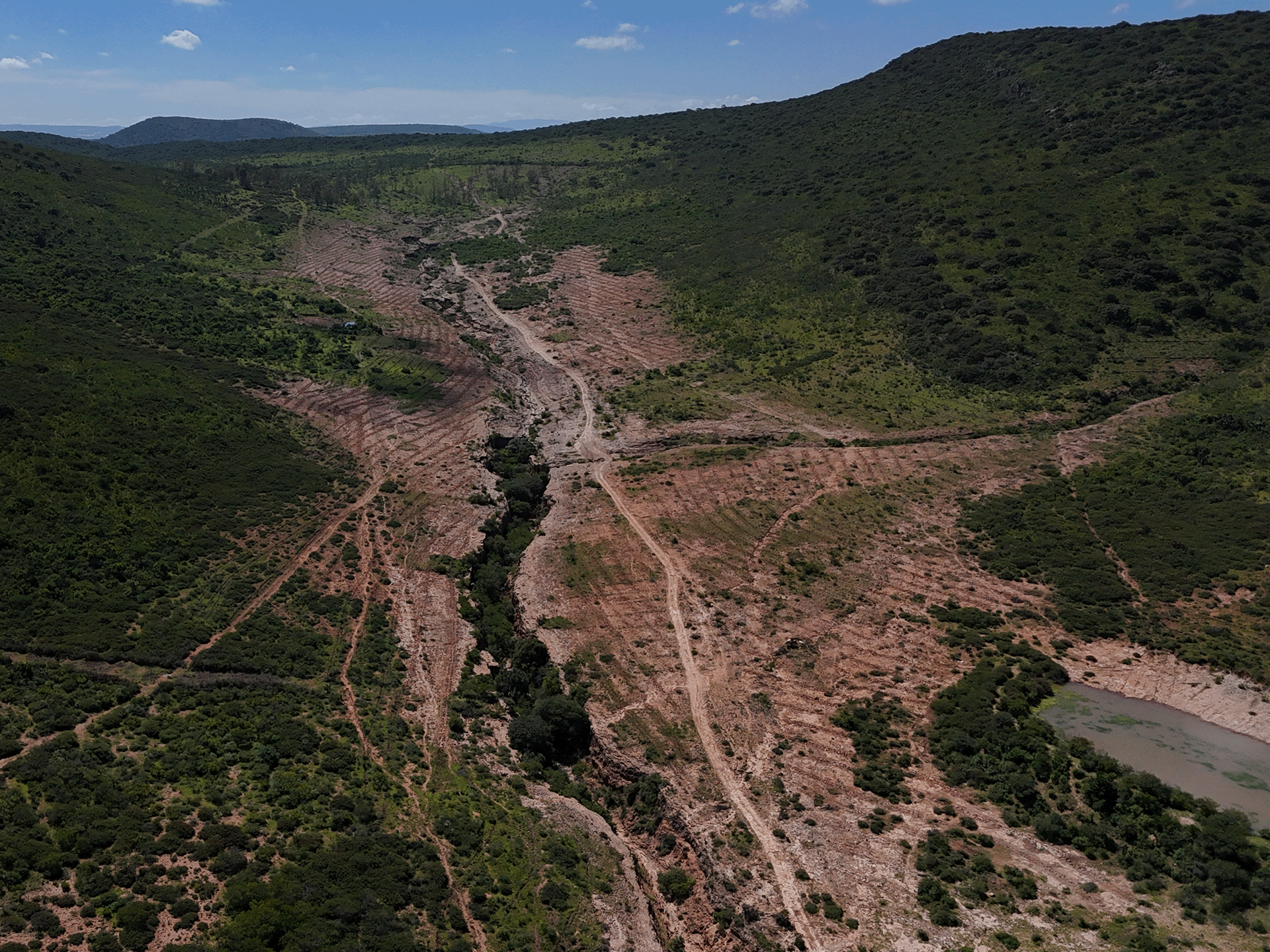
In the state of Querétaro, the Laja River basin is home to a great diversity of ecosystems, ranging from oak forests to scrublands and tropical deciduous forests. However, the growth of the metropolitan area, changes in land use, and wildfires have severely degraded its recharge zones. This pressure is strongly reflected in the Valle de Amazcala aquifer, which has been under a water extraction ban since 1949 and faces a critical deficit in water availability that puts the region's water balance at risk.
Faced with this scenario, Toroto is driving a sustainable management project through nature-based solutions. By implementing soil and water conservation works in the aquifer area, the goal is to curb landscape degradation, promote water infiltration, and restore resilience to this essential basin for Querétaro.
Location
Querétaro, México
Dimensions
180 has
Productive Activities
Rain-fed agriculture, irrigated agriculture, and grazing
Vegetation
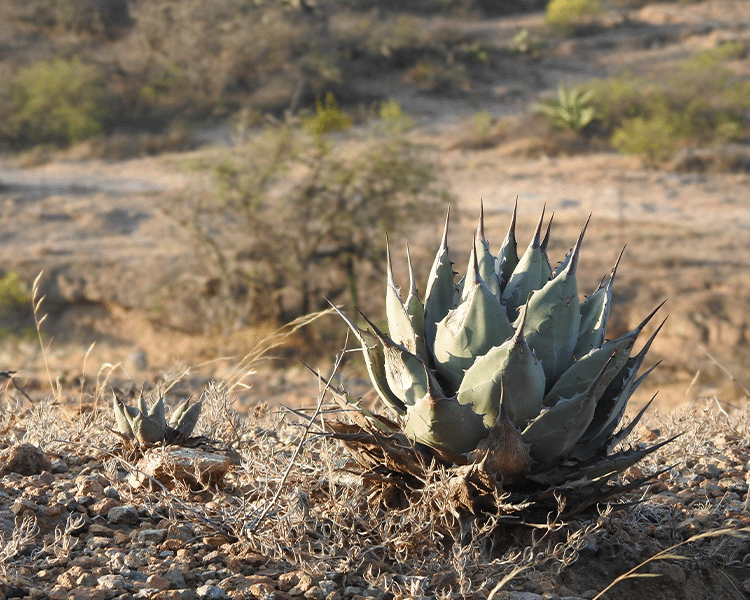
Oak forests, scrublands, grasslands, and tropical deciduous forests
Fauna
According to the ecological study conducted in the area:
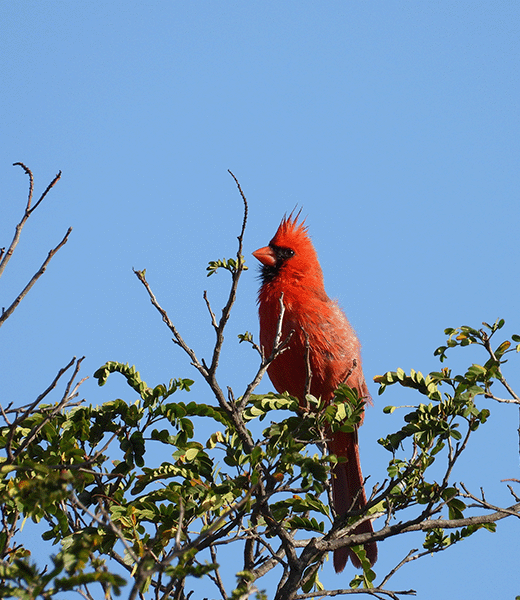
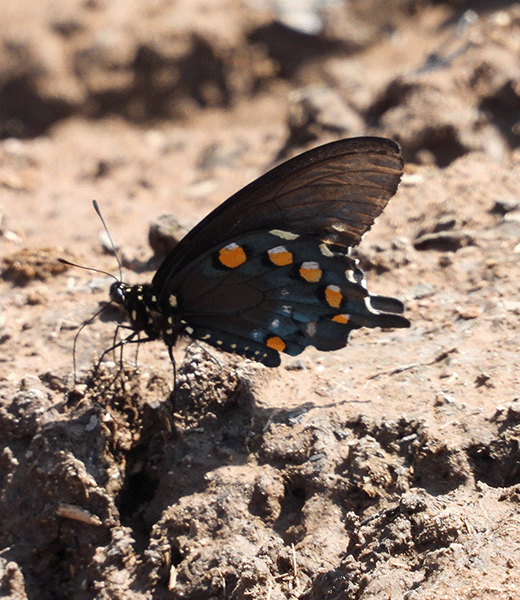
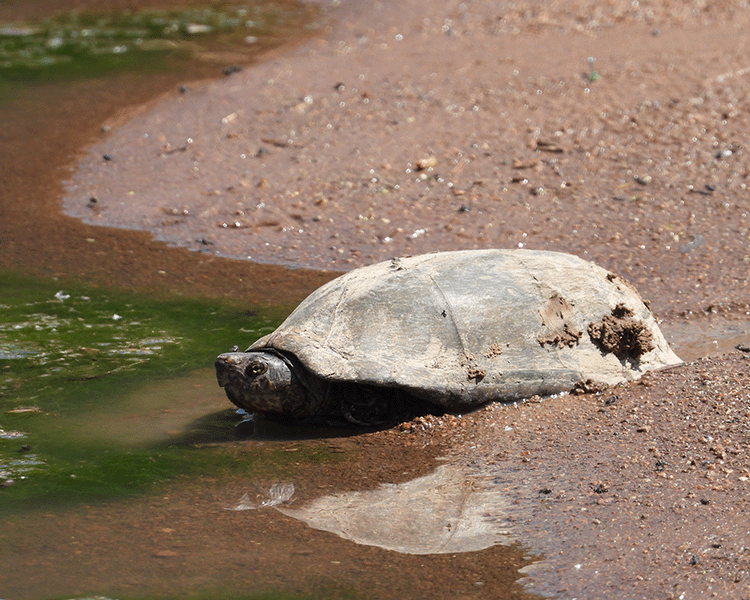
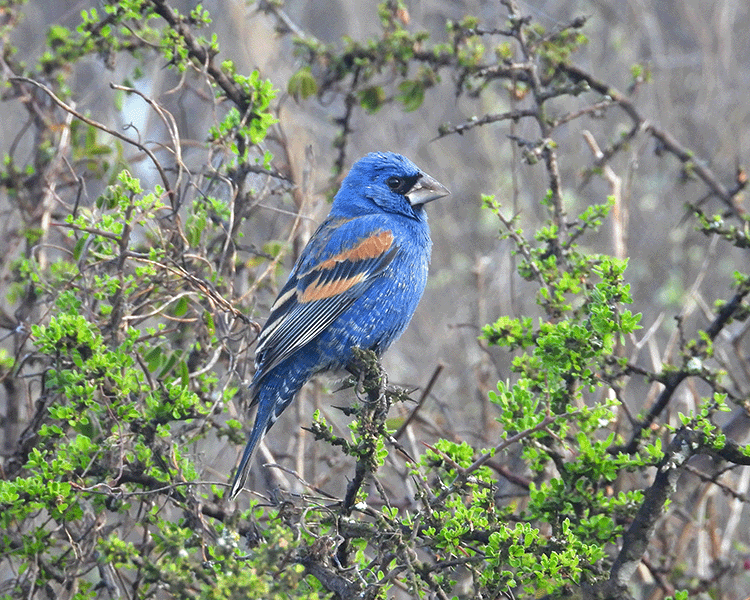
more than 67 wildlife species are being directly benefited
Flora
According to the ecological study conducted in the area:
more than 31 native plant species are being directly benefited
Certifier
Protocol
Verifier
(02)
The activities
Field action
How do we select and monitor priority project sites?
We apply hydrological modeling and spatial tools to select sites for project implementation, followed by continuous tracking of water infiltration rates and vegetation cover growth.
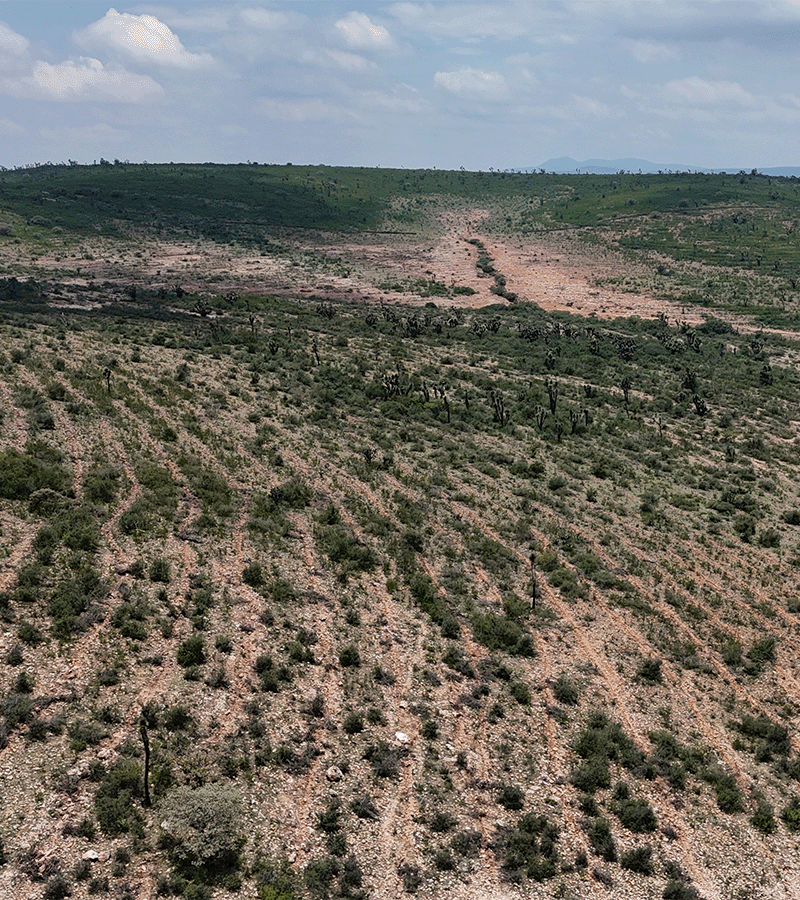
Spatial Hydrological Modeling
We apply the SWAT model to simulate runoff and other hydrological cycle processes. By representing regional hydrology spatially and temporally, we can precisely identify priority areas that offer the greatest potential to reduce water loss and enhance rainwater harvesting.
How do we measure plant survival and vegetation cover?
We conduct plant survival assessments by applying the Canfield line-intercept method to estimate vegetation cover and ground surface composition. This methodology allows us to document ecosystem evolution and continuously track survival rates in reforested plots.
Restoration and Conservation
Native Species Reforestation Benefits: Increasing forest density with native species directly mitigates surface runoff, enhances soil stability, and restores ecological connectivity across fragmented habitats.
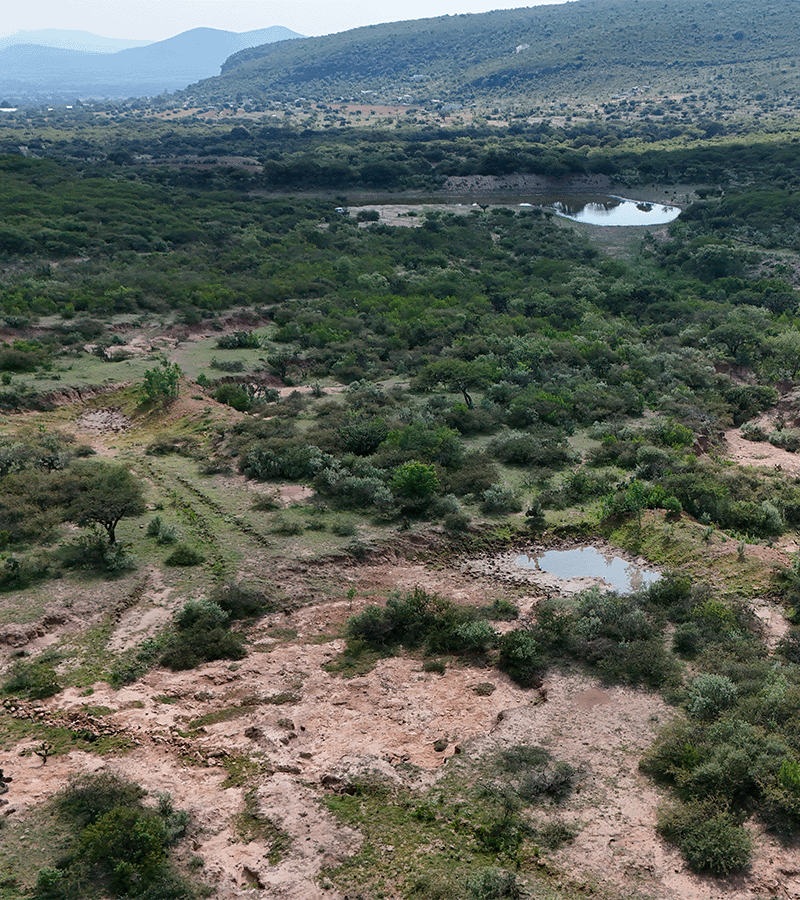
Impact of Native Species Reforestation
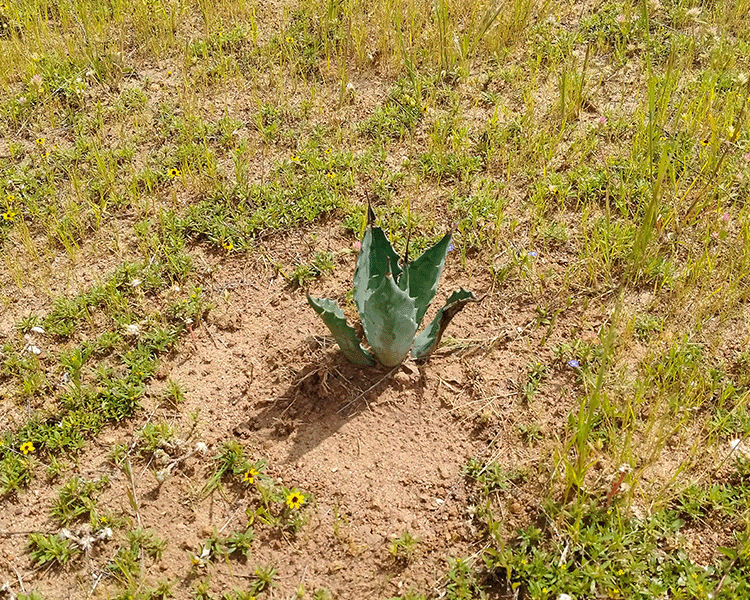
Increasing forest density in intervention zones with native regional flora systematically strengthens soil stability and mitigates surface runoff. Since these plants are fully adapted to local climatic conditions, this targeted approach directly supports long-term biodiversity conservation.
Landscape Connectivity and Habitat Restoration
Connecting fragmented ecosystems through spatial design establishes biological corridors for regional wildlife. Restoring landscape connectivity facilitates species movement and creates new ecological niches, directly strengthening wildlife survival across degraded habitats.
NbS
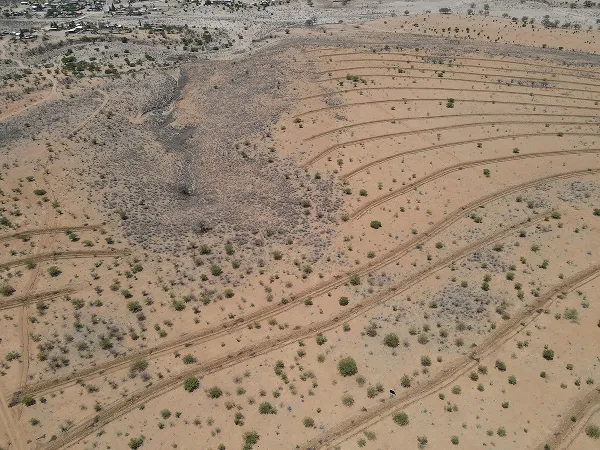
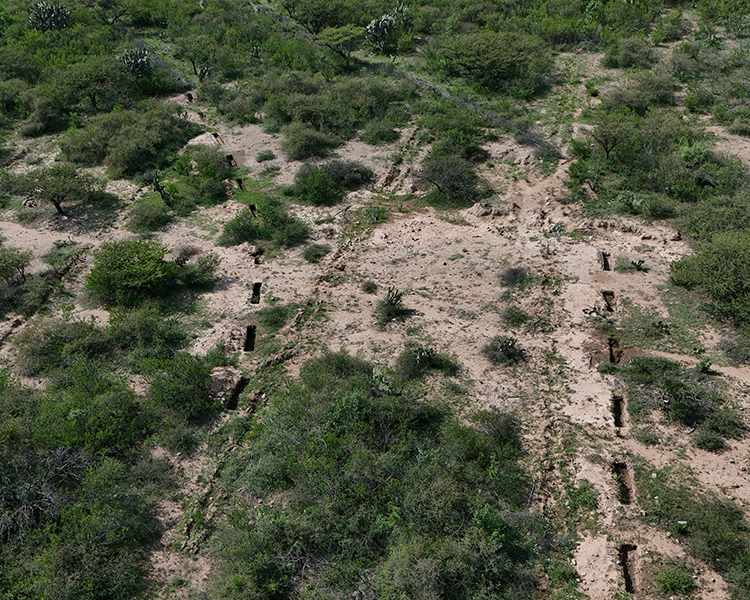
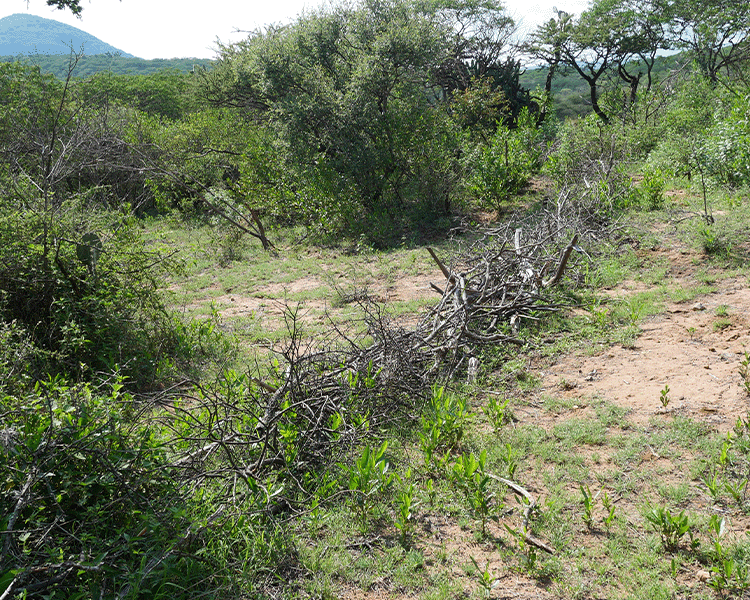
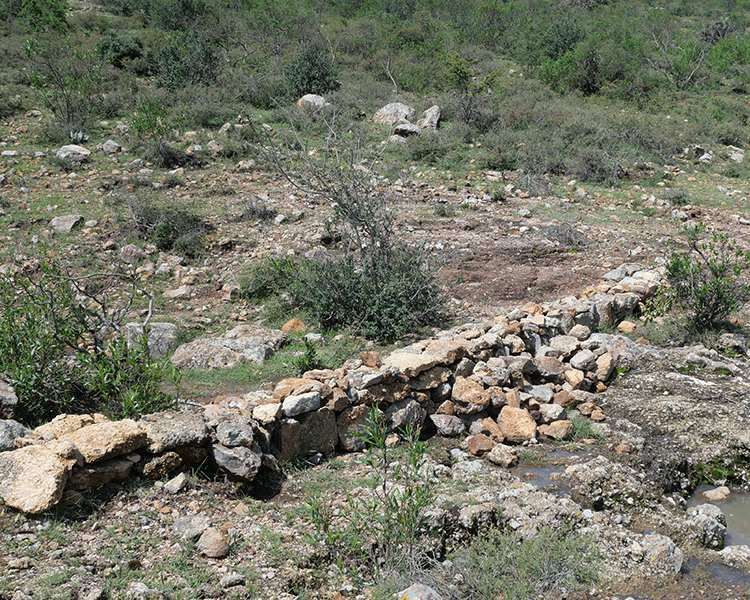
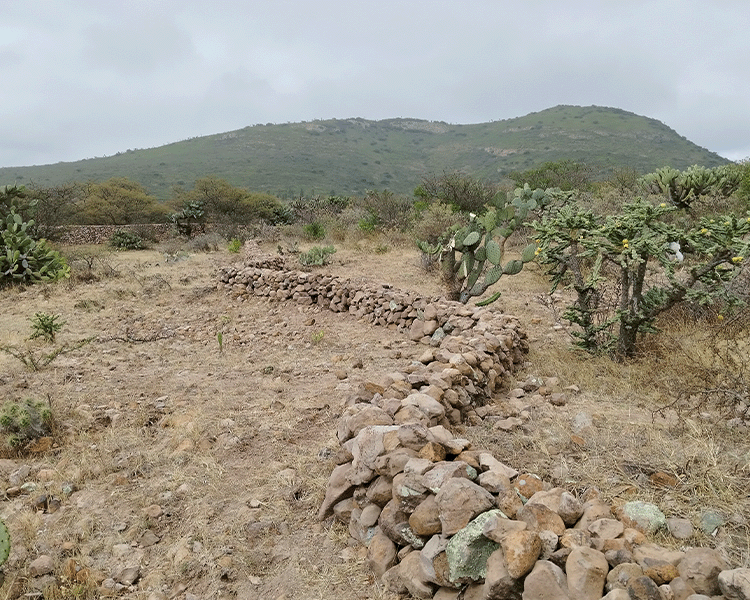
Implementing soil conservation practices such as subsoiling, stone bunds, and contour trenches systematically controls soil erosion, enhances sediment retention, and slows runoff velocity to maximize groundwater recharge across degraded lands.
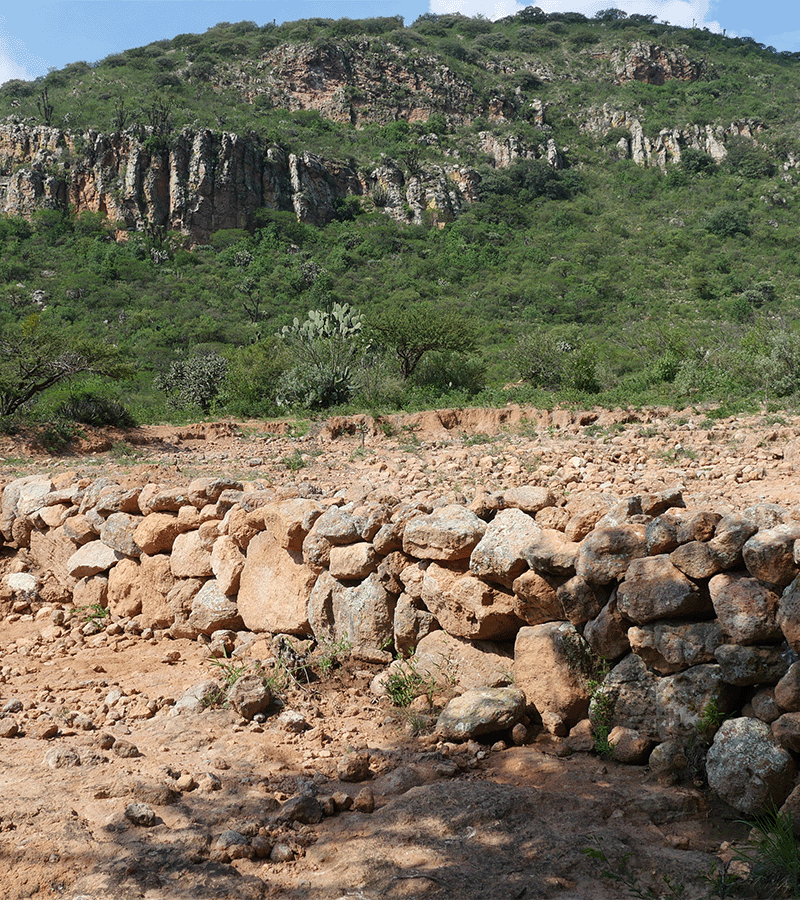
Impact of Soil Conservation Practices
Implementing soil conservation practices—such as subsoiling for soil decompaction, stone bunds, and vegetative barriers—synergistically mitigates water erosion and reduces surface runoff. These physical interventions directly improve soil structure, retain sediment, and significantly enhance water infiltration capacity to support long-term vegetation growth.
Water Harvesting Infrastructure and Micro-catchments
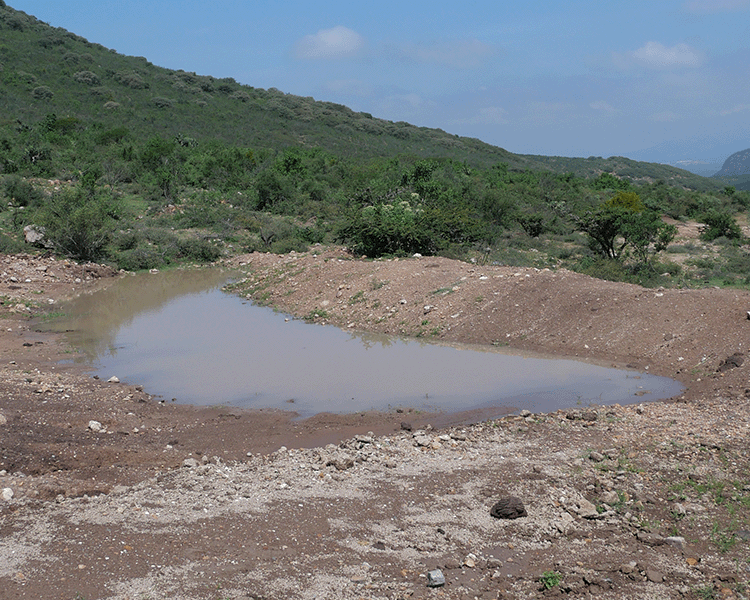
Constructing water harvesting infrastructure—including rock check dams and gully plugs within active gullies—effectively intercepts natural runoff and temporarily detains surface water flow. Integrating Negarim micro-catchment systems optimizes localized rainwater retention, providing the vital moisture required for initial plant establishment.
Workshops and Trainings
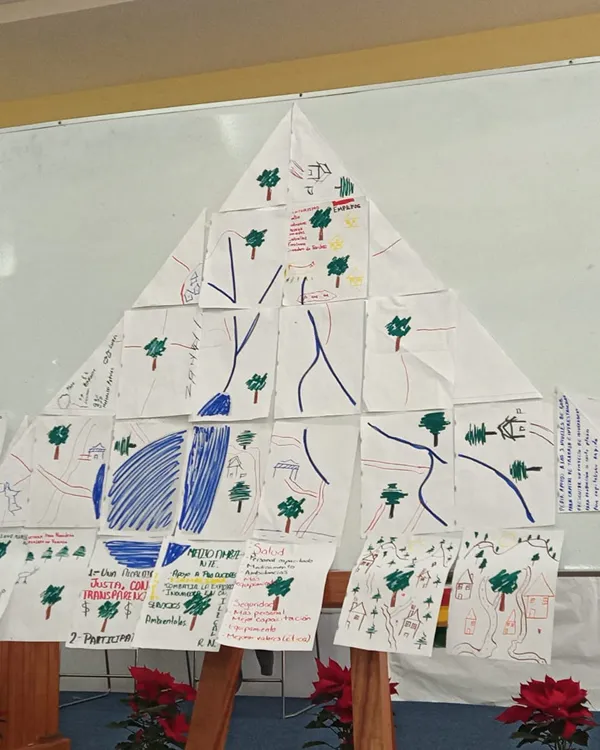
Fostering community governance through ejido assemblies and educational environmental workshops drives direct project ownership. Engaging local residents and schools establishes strong community-led stewardship, securing long-term participation in regional conservation efforts.

Community Engagement and Local Governance
Strengthening local governance through continuous community outreach, transparent accountability, and collaborative co-design ensures the long-term success of environmental projects. This participatory framework facilitates the collaborative zoning of intervention areas, establishes formal collective agreements, and integrates local workforce crews to guarantee sustained, community-led monitoring of the restored lands.
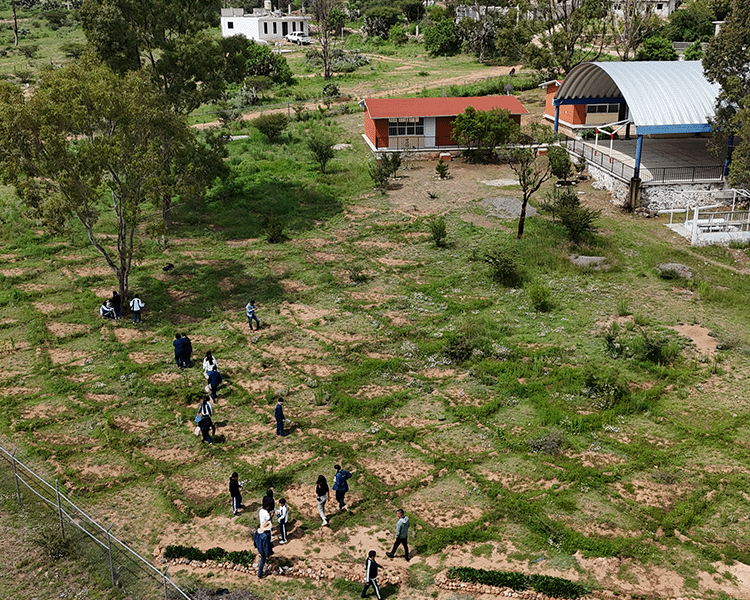
Community Environmental Education and Hands-on Learning
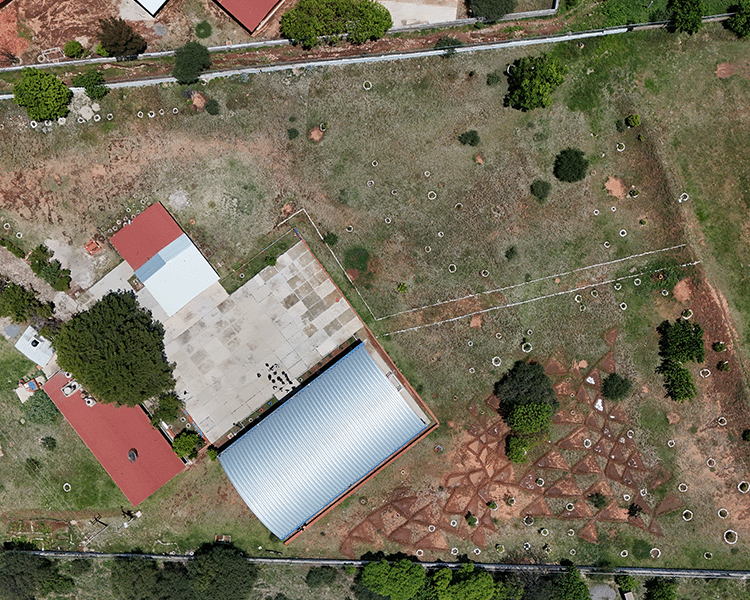
Promoting environmental education in rural middle schools through participatory workshops engages students, teachers, and parents in local stewardship. Integrating practical infrastructure—such as schoolyard Negarim micro-catchment systems and biointensive garden beds—provides hands-on learning that demonstrates water infiltration dynamics and the tangible benefits of ecological restoration.
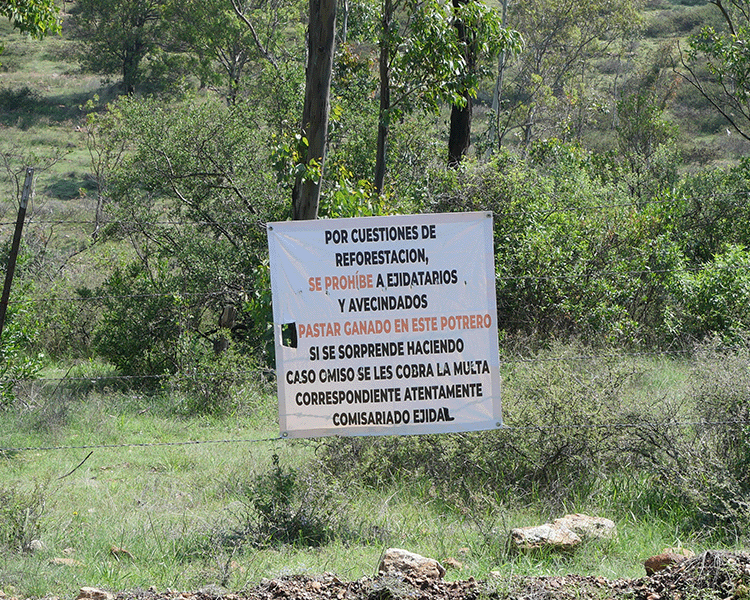
"Restoration activities prioritized degraded communal lands where reforestation and soil ripping (subsoiling) were essential to increase water capture capacity. These targeted land-use interventions restored degraded common-use areas and directly enhanced local hydrological retention."
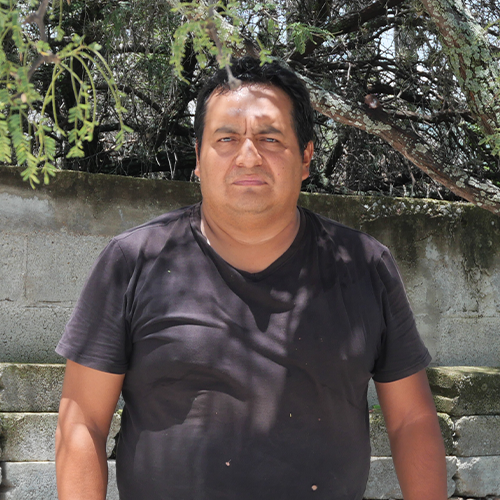
Baltazar Cabello Ramos
Member of ejido La Zorra
(03)
The Turning Point

Nature-based Solutions in Harmony with the Landscape
We carry out a series of soil and water conservation works that mimic natural processes, with the primary goal of retaining soil, reducing surface runoff, and promoting water infiltration. These actions are performed in the upper and middle sections of hills and ridges to mitigate the progression of degradation.

Governance Leads the Way
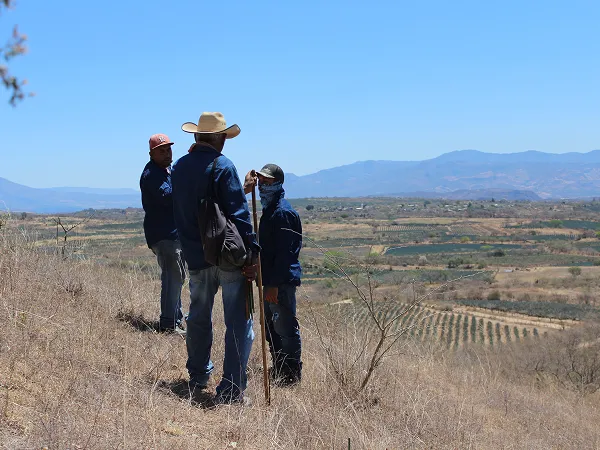
In communal and ejido territories, local governance is the starting point. Communities do not just authorize the project; they lead its direction by identifying priorities, participating in the design of interventions, and guiding their implementation. This approach ensures that actions respond to the real-world context and strengthen long-term ownership of the process.

A Portfolio with a Territorial Focus
Our portfolio ranges from custom-designed projects for companies looking to offset the water they use in specific territories to collaborative interventions that can be co-financed by various stakeholders through our platform of ready-to-implement projects.
(04)
The Impact
Conservation with Co-benefits

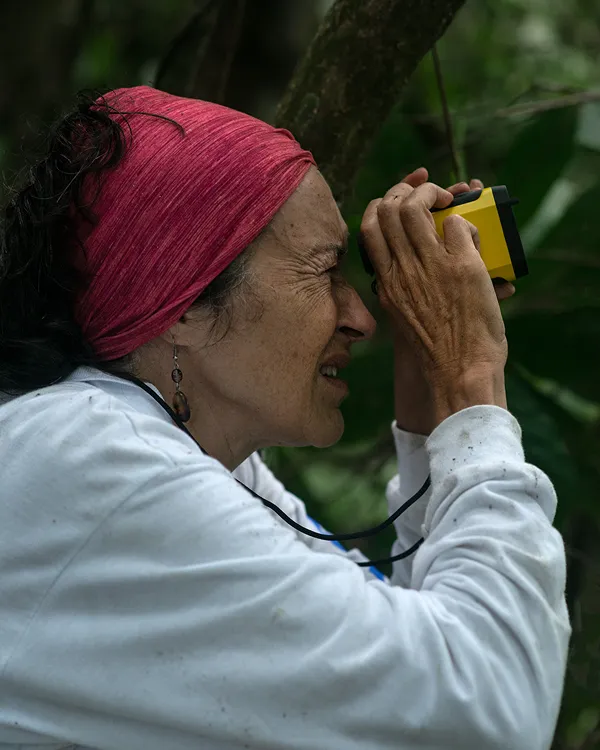
Long-term Land Stewardship
We conduct periodic assessments to strengthen ecological restoration efforts from the very start of each project. This includes ensuring the survival of reforestation areas, the effective maintenance of soil conservation works, preventive pest and fire control, and, where applicable, monitoring the performance of productive projects.

A Biodiverse Ecosystem is a Water-secure Ecosystem
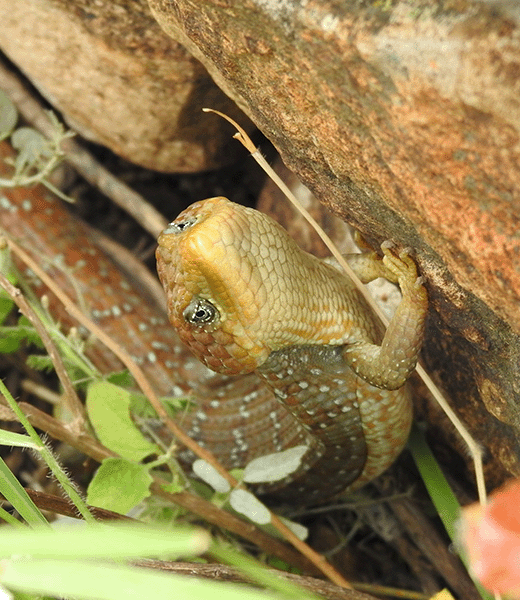
Biodiversity does more than just enrich an ecosystem; it provides structure, supports the soil, and facilitates water infiltration. Restoring native vegetation through reforestation and assisted regeneration improves habitat quality, stabilizes the landscape, and creates refuges for key species.
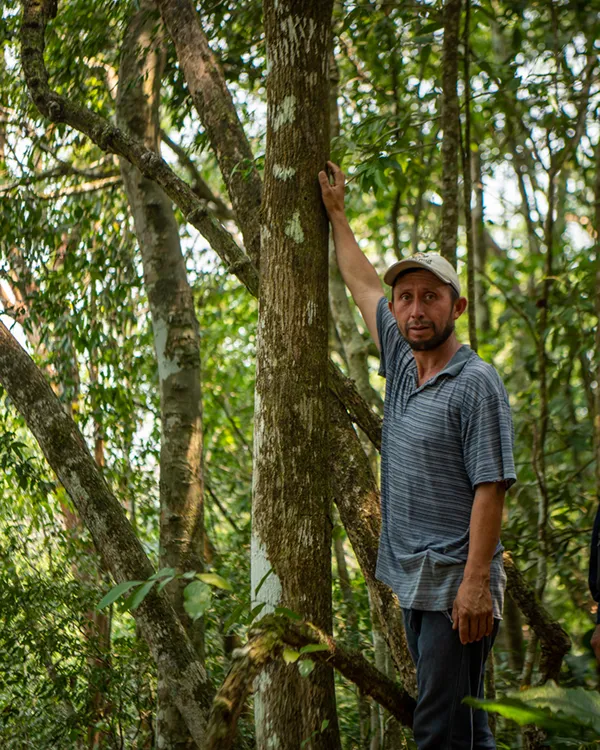
Building Local Capacity
Our workshops and training sessions are designed to provide new knowledge that fosters a better relationship with nature and highlights the importance of the actions taken in each of Toroto's projects. We demonstrate how to carry out fieldwork using internationally recognized methodologies. Additionally, we provide training focused on ensuring the safety of our brigade members and workers.
(04)
The Impact
Conservation with Co-benefits
.jpg)
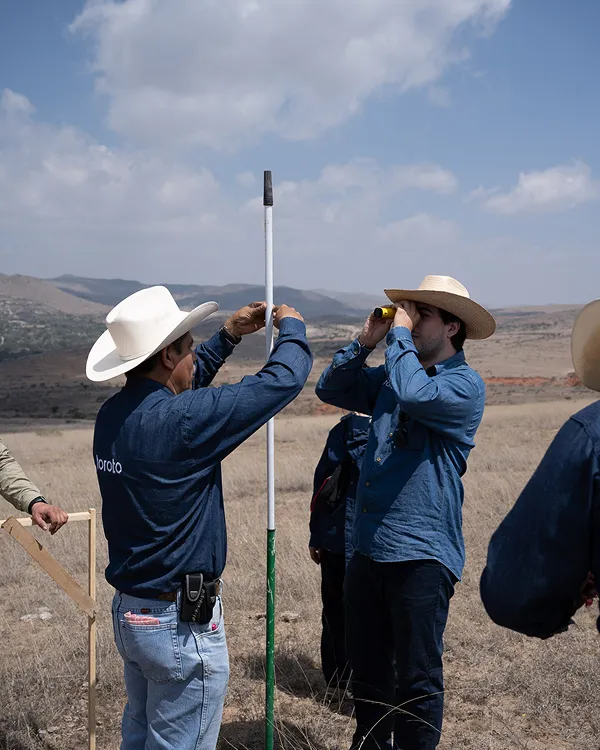
Long-term Land Stewardship
We conduct periodic assessments to strengthen ecological restoration efforts from the very start of each project. This includes ensuring the survival of reforestation areas, the effective maintenance of soil conservation works, preventive pest and fire control, and, where applicable, monitoring the performance of productive projects.
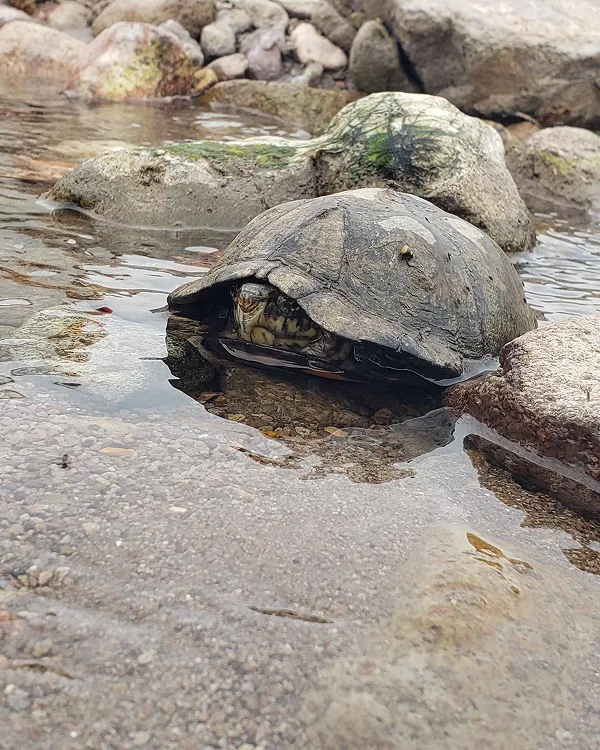
A Biodiverse Ecosystem is a Water-secure Ecosystem
Biodiversity does more than just enrich an ecosystem; it provides structure, supports the soil, and facilitates water infiltration. Restoring native vegetation through reforestation and assisted regeneration improves habitat quality, stabilizes the landscape, and creates refuges for key species.
Building Local Capacity
Our workshops and training sessions are designed to provide new knowledge that fosters a better relationship with nature and highlights the importance of the actions taken in each of Toroto's projects. We demonstrate how to carry out fieldwork using internationally recognized methodologies. Additionally, we provide training focused on ensuring the safety of our brigade members and workers.
Regenerating nature, one project at a time
We do important things differently.